What are the key falling risks and safety hazards around a home and garden, and how to prevent them effectively? A Penwortham Surveyor’s perspective.
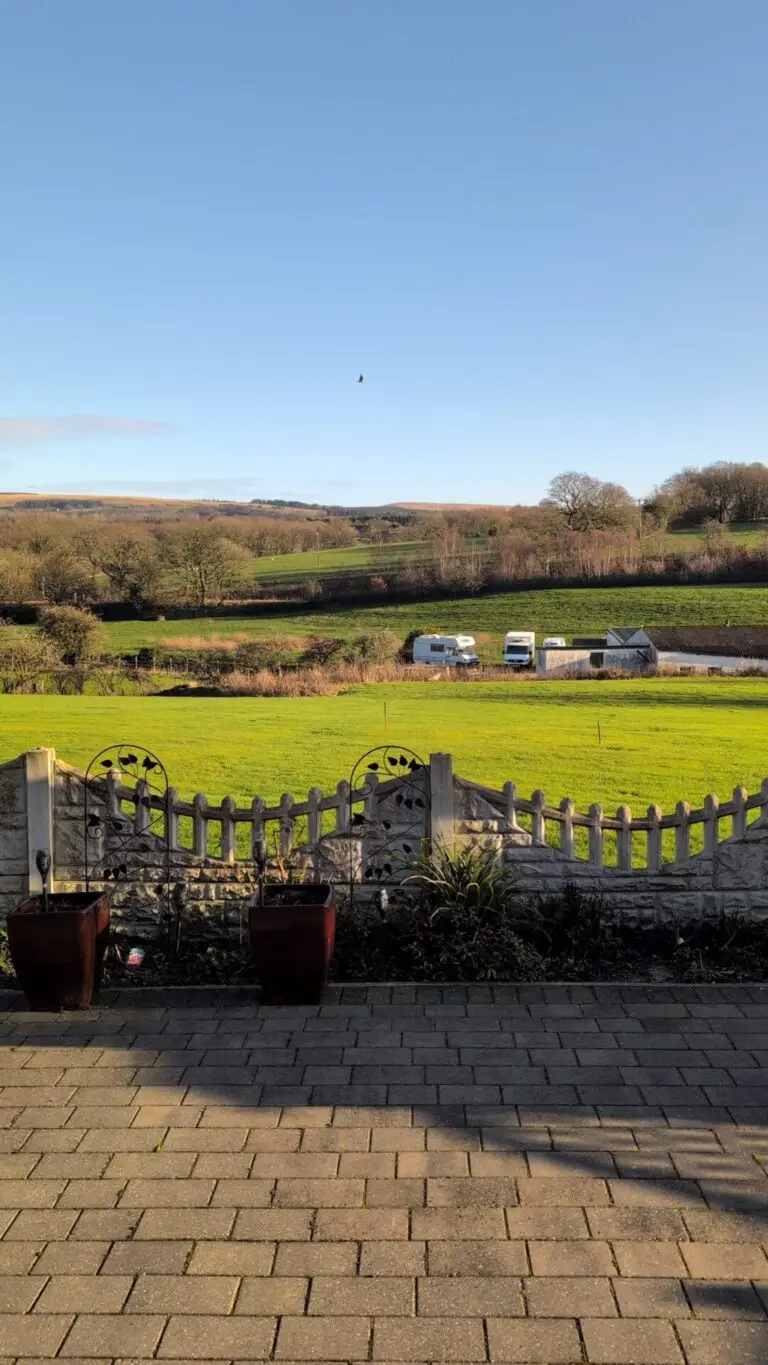
I was carrying out an RICS Level 2 survey on a fairly new property in Penwortham last week and the house had very minor issues with the fabric of the building. However, there were obvious health and safety issues around the property that required discussion in the RICS Level 2 report. Unguarded drops and uneven surfaces in the garden, reminded me of how an RICS surveyor plays a role in seeing the things that have safety consequences for a property’s occupants. Sometimes these risks are apparent to a lay person. However, others are less obvious.
This brief article will discuss some of these safety issues.
Falls and safety hazards in the home and garden commonly arise from slippery surfaces, uneven ground, poor lighting, and cluttered walkways. Stairs, loose rugs, wet floors, and garden tools left out are frequent causes. These risks increase the likelihood of trips, slips, and serious injuries if not properly managed.
Outdoor areas often have added dangers like uneven paving, unsecured ladders, and wet moss or leaves that create slippery conditions. Inside, loose carpets, exposed cords, and inadequate handrails contribute to falls. Awareness of these hazards is crucial to maintaining a safe environment.
By identifying common fall risks, homeowners can take practical steps to reduce accidents. Simple measures such as regular cleaning, securing loose items, and improving visibility provide effective safety improvements.
Common Falling Risks found by a Penwortham Surveyor in the Home
Falling risks in the home often occur in predictable areas where design, maintenance, and everyday behaviour intersect. Identifying specific hazards such as staircases, floor conditions, and obstacles can help reduce accidents effectively.
Staircase Hazards
Staircases present some of the most significant falling dangers due to their height and frequency of use. Poor lighting on stairs can cause missteps, especially in the evening or for those with impaired vision. Uneven or broken steps increase the risk of tripping.
Handrails that are loose or missing make it harder to maintain balance when ascending or descending. Carpeted stairs with worn edges can catch toes and lead to falls. Regular inspection and repair, along with installing non-slip strips, improve safety significantly.
Gaps of over 100mm to ballustrades and stair risers are commonly found in older properties (particularly 1960s properties) and these are a particular entrapment risk to young children.
Easily climbed ranch-style guardings are attractive to children, and there are obvious risks of injury.
Slippery Floors and Loose Rugs
Smooth flooring surfaces, such as tiles, polished wood, or laminate, can become slippery when wet or dusty. Kitchens and bathrooms are particularly prone to this risk due to water spills.
Loose rugs or mats can slide unexpectedly underfoot. Rugs without a non-slip backing often shift, causing people to lose footing. It is advisable to secure rugs with adhesive strips or replace them with non-slip alternatives to prevent falls.
Cluttered Walkways
Objects left in hallways, living rooms, or other frequently travelled areas can obstruct movement. Items like electrical cords, shoes, toys, and furniture placed too close together increase trip hazards.
Poor organisation and inadequate storage space often lead to clutter. Clearing walkways and maintaining consistent pathways free of obstacles are crucial steps in lowering fall risk. Visual clutter may also distract attention, exacerbating the problem.
Outdoor Hazards in the Garden found by a Penwortham Surveyor
Gardens often contain specific risks that can cause trips, slips, or falls. Uneven surfaces, moisture build-up, and misplaced tools create common dangers. Identifying these hazards can help prevent accidents.
Uneven Paths and Surfaces
Uneven paths are a frequent cause of trips in gardens. Paving stones that have shifted or cracked can catch a foot unexpectedly. Gravel paths may scatter and create unstable footing.
Roots and lawn edges may also cause surface irregularities. These irregularities are particularly hazardous in poor lighting or wet conditions. Regular inspection and maintenance, such as resetting stones or edging lawns, can reduce risks.
Falls due to uneven surfaces often result in scrapes, bruises, or more serious injuries in older adults. Installing handrails on steps or marking uneven areas clearly can improve safety significantly.
Wet and Mossy Areas
Moisture on garden paths can make surfaces extremely slippery. Shade and poor drainage encourage moss and algae growth, increasing the hazard. Wet leaves also contribute to slippery walkways.
Non-slip coatings or textured paving materials can reduce slipperiness. Clearing leaves and moss regularly lowers the risk of slips. Gardeners should consider drainage improvements to keep pathways dry.
Standing water or frost during colder months can further increase fall risk. Caution in these conditions is essential, especially on concrete or stone surfaces.
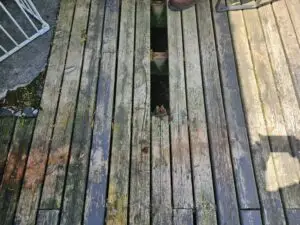
Timber decking is popular in the UK but is largely inappropriate for the UK’s wet climate. Timber decking can become extremely slippery if not maintained. If a timber deck is not weather-treated treated then it will eventually rot. From experience raised decking which has not been maintained can collapse due to timber rot.
Garden Tools and Equipment
Tools left scattered in the garden pose a high trip risk. Hoses, rakes, and other equipment should be stored safely after use. Sharp tools on the ground increase injury severity if someone falls.
Storage solutions like sheds, wall hooks, or locked boxes keep tools organised and out of walkways. Electric equipment with long cables also presents risks if not neatly coiled or positioned clear of paths.
Users must inspect tools regularly for damage, which can cause accidents in use or while handling. Keeping the garden tidy reduces the chance of tripping over misplaced items.
Preventive Measures for Home and Garden Safety – Advice from a Penwortham Surveyor
To reduce the risk of falls, it is essential to focus on structural supports, effective illumination, and appropriate footwear. These elements work together to create a safer environment both inside the home and outdoors.
Safety Railings and Handrails
Installing sturdy railings on staircases and balconies provides physical support that helps prevent slips and trips. Railings should be at a comfortable height and firmly secured to withstand weight and pressure.
For outdoor steps and garden paths, handrails offer stability, especially for older adults or those with mobility issues. Regular checks for loose or damaged railings ensure ongoing safety and prevent accidents.
Using non-slip materials on handrail grips can improve hold, especially in wet conditions. Clear visual contrast between railings and walls or steps also assists in depth perception.
Proper Lighting
Adequate lighting is crucial in reducing fall hazards in dark or dim areas. It prevents trips by clearly illuminating steps, thresholds, and uneven surfaces.
Outdoors, motion-sensor lights activate when someone approaches, deterring falls during night-time movement. Pathway lights should be spaced evenly to avoid dark patches.
Inside the home, using bright LED bulbs with warm colour tones improves visibility while avoiding glare. Nightlights in hallways and bathrooms help navigation during night hours.
Protective Footwear
Wearing shoes with non-slip soles significantly lowers the chance of slipping, especially on wet or mossy garden surfaces. Footwear should fit well and provide stable support to reduce imbalance.
Encouraging the use of boots or sturdy shoes outdoors is essential during gardening or walking on uneven ground. Indoors, slippers with rubber soles or grip pads offer better traction than socks or smooth-soled shoes.
Footwear should be free of wear and tear, as worn soles lose their grip effectiveness. Regularly inspecting shoes for damage is a simple safety measure.
Conclusion
There are multiple health and safety risks in and around a property. Some are more significant for the elderly and less able-bodied, while others are a particular risk to young children. A good property surveyor serving Pemwortham should have an appreciation of the health and safety risks that can affect their clients when they move into their new homes.

Illuminati Surveyors – your trusted Blackpool surveyor serving Penwortham, Fylde Coast & Lancashire.
If you require our surveying services please contact us today.
Disclaimer: The information contained in this blog is provided for general guidance only and does not constitute legal, financial, medical, or other professional advice. No warranty, express or implied, is given as to the accuracy or completeness of the information. Reliance on any information provided is at your own risk.