Preesall Surveyor Case Study: Tapered Stepped Cracks in Detached Sandstone Farmhouse, Preesall
Introduction
This case study examines a detached farmhouse located in Preesall, a rural area known for its traditional sandstone buildings. The property in question has been observed to have tapered stepped cracks on an external wall. As a professional surveyor accredited by the Royal Institution of Chartered Surveyors (RICS), it is crucial to provide a detailed assessment to potential home buyers to ensure they are fully informed of the condition of the property and any necessary remedial actions.
Property Overview
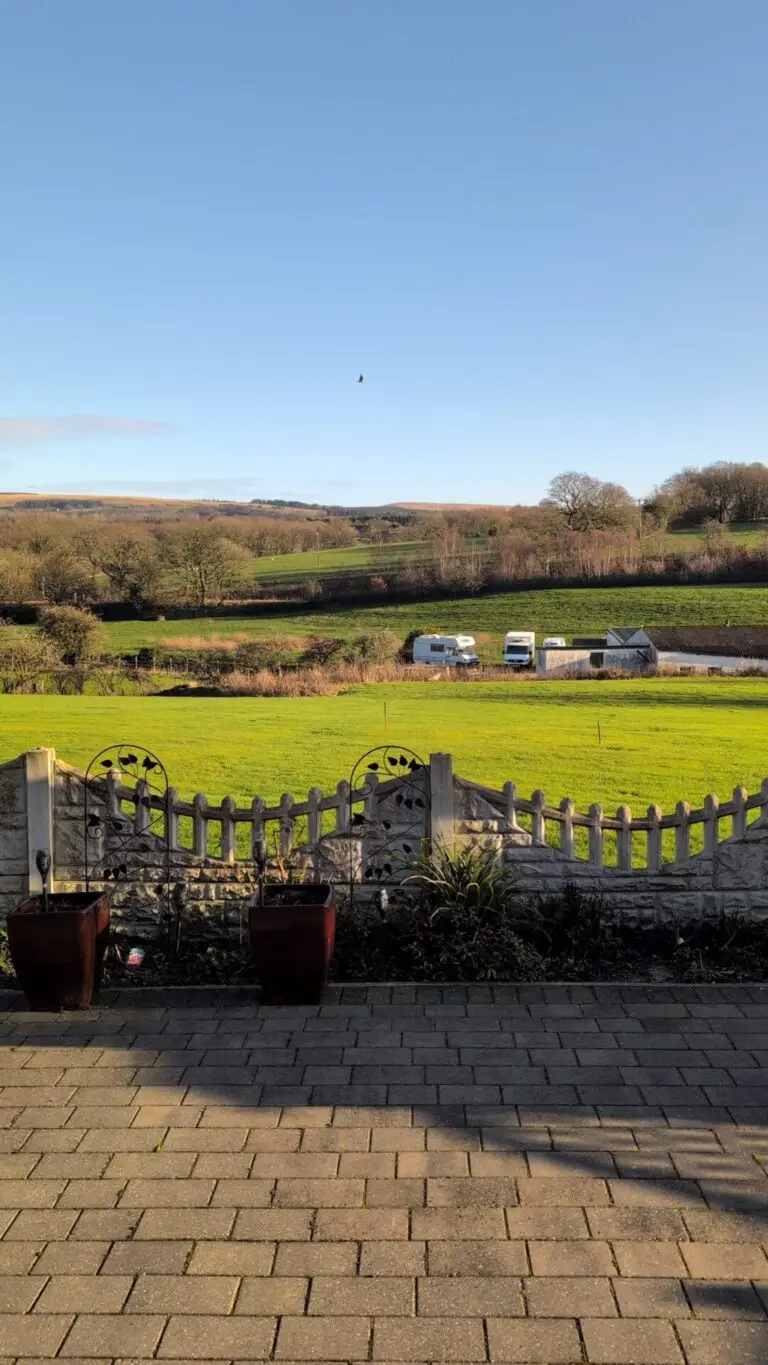
The farmhouse is a typical example of the region’s architectural heritage, featuring sandstone construction which is prevalent in the area. The building is situated on a gently sloping site, surrounded by agricultural land. It has stood for over a century, and like many properties of its age, it exhibits signs of wear and structural movement.
Observation of the Cracks
Upon inspection during a RICS Level 3 survey, the external wall displays tapered stepped cracks, primarily concentrated on the southwest elevation. The cracks range in width from hairline to approximately 5mm and follow a stepped pattern through the mortar joints, extending over several courses of stonework.
Causes and Implications
1. Foundation Movement:
– Soil Type and Moisture Variation: The primary cause of these cracks is differential settlement of the foundations. The soil in Preesall is predominantly clay, which is highly susceptible to shrinkage and swelling due to moisture changes. Periods of drought followed by heavy rainfall can exacerbate this movement.
– Historical Construction Methods: The farmhouse was constructed using traditional methods without modern foundation techniques. The shallow foundations are more vulnerable to soil movement.
2. Thermal Expansion and Contraction:
– Temperature Fluctuations: Sandstone, like many natural materials, expands and contracts with temperature changes. Over time, this can lead to the formation of cracks, particularly in regions with significant seasonal variations.
3. Structural Loading:
– Roof and Floor Loads: The weight of the roof and upper floors can contribute to stress on the walls, especially if there have been modifications or extensions that have altered the load distribution.
Assessment of Severity
While the presence of tapered stepped cracks can be concerning, it is important to evaluate their severity:
– Minor Cracks (<5mm): These are generally considered non-structural and often result from minor settlement or thermal movement. Regular monitoring and minor repointing may suffice.
– Moderate Cracks (5-15mm): Cracks of this width suggest more significant movement. While not immediately dangerous, they warrant further investigation and possible remedial action to prevent worsening.
– Severe Cracks (>15mm): Although the current cracks are less than 5mm, if left unchecked, they could progress to a more severe stage, potentially compromising the structural integrity of the wall.
Preesall Surveyor Recommendations
1. Detailed Structural Survey:
– Engage a structural engineer to conduct a comprehensive survey. This will involve inspecting the foundations, assessing soil conditions, and evaluating the overall structural integrity.
2. Monitoring:
– Install crack monitors to track the progression of the cracks over a period of 6-12 months. This will help determine if the movement is ongoing or has stabilized.
3. Remedial Works:
– Repointing: Repointing the affected areas with a compatible mortar mix can help prevent water ingress and further deterioration.
– Underpinning: If significant foundation movement is detected, underpinning may be necessary to stabilise the building. This involves extending the foundation’s depth or breadth to provide additional support.
– Drainage Improvements: Improving site drainage can mitigate soil moisture variations. This might include installing French drains or improving surface water management around the property.
4. Preventive Measures:
– Regular maintenance, such as clearing gutters and ensuring proper drainage, can prevent exacerbation of the problem.
– Avoiding the planting of large trees or shrubs near the foundation, as their roots can affect soil stability.

Conclusion
The tapered stepped cracks observed in the detached farmhouse in Preesall indicate foundation movement and thermal expansion. While the current severity is not alarming, potential buyers must understand the underlying causes and potential implications. By undertaking a detailed structural survey and implementing the recommended remedial measures, the longevity and stability of this charming farmhouse can be ensured, preserving its historic character for future generations.
Illuminati Surveyors – your trusted Blackpool surveyor serving Preesall, Fylde Coast & Lancashire.
If you require our surveying services, please contact us today.
Disclaimer: The information contained in this blog is provided for general guidance only and does not constitute legal, financial, medical, or other professional advice. No warranty, express or implied, is given as to the accuracy or completeness of the information. Reliance on any information provided is at your own risk.